Home › Tuckpointing and Repointing
Reliable, professional tuckpointing in St Petersburg, FL from St. Petersburg Masonry. Contact us today for a free on-site estimate.
St. Petersburg Masonry provides professional tuckpointing throughout St Petersburg, FL, Florida and the surrounding area. Our licensed, insured crew delivers safe, clean, on-time work with a free estimate before anything begins. Call (727) 610-8068 or request your free quote.
Tuckpointing and Repointing for St. Petersburg Brickwork
Brick and block joints do most of the work keeping your masonry dry and stable. In St. Petersburg, salt in the air, intense sun, and heavy rain break down mortar faster than in many other places. Tuckpointing and repointing are how St. Petersburg Masonry restores those joints before the wall or chimney starts to fail.
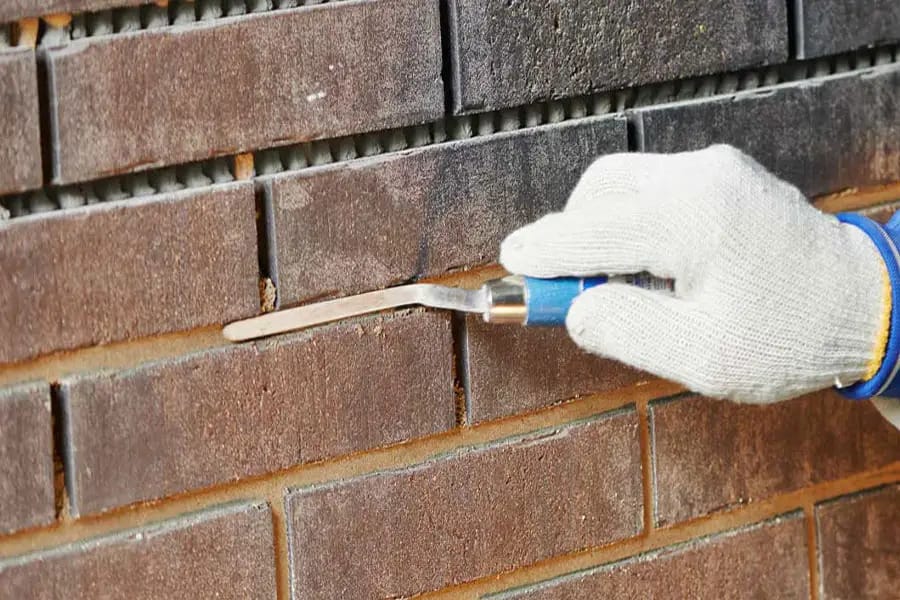
Tuckpointing is the process of cutting out deteriorated mortar and packing in new mortar, often with a second, thin line in a contrasting color for a crisp, refined look. Repointing focuses on restoring the structural integrity of the joints using mortar that matches the original in color, texture, and hardness. On older homes, especially historic brick around Kenwood, Old Northeast, and downtown, the goal is to match the existing character so repairs do not stand out.
If you see sandy, missing, or hairline cracked joints, or you notice a white, powdery staining on the brick (efflorescence), the mortar is already losing its ability to keep water out. Fixing joints at this stage is far less costly than repairing loose bricks, interior water damage, or a leaning wall later.
How St. Petersburg Masonry Performs Tuckpointing
Our crew does not simply smear new mortar over old joints. Every tuckpointing job follows a defined process so the repair lasts in our coastal climate.
First, we inspect the wall, chimney, column, or steps and identify all loose and soft joints. We also check for movement in the structure, such as bulging, stair-step cracks, and settled corners, so we are not just hiding a structural problem with fresh mortar.
Next, we mechanically remove failing mortar to a proper depth, typically 2 to 3 times the width of the joint, using grinders with vacuum attachments and hand tools. In St. Petersburg this step often reveals salt-damaged pockets that must be cleaned out completely or the new mortar will not bond.
We then clean the joint with compressed air or brushes to remove dust, and lightly dampen the brick. In our hot climate, this is critical. If the brick is bone dry, it will pull moisture out of the new mortar too fast and cause weak, crumbly joints.
We pack in fresh mortar in layers using tuckpointing trowels, compacting it firmly to avoid voids. For decorative tuckpointing, we apply a base color mortar that matches the brick, let it set to the right stiffness, then add a second, narrow ribbon of contrasting mortar on the surface to create the fine lined appearance.
Finally, we tool the joints to match the existing profile (concave, V joint, flush, or raked), brush the face clean once the mortar has started to set, and protect the work from sudden rain or intense afternoon sun using tarps or shade cloth as needed.
Matching Mortar and Brick on St. Petersburg Properties
One of the biggest mistakes in tuckpointing is using whatever bag of mortar is on sale. On older St. Petersburg homes, especially pre 1940 brick, using a mortar that is too hard can cause brick faces to crack and spall. St. Petersburg Masonry selects or blends mortar so it is compatible with the existing masonry.
We start with a small sample, comparing the original joints for color, sand grain size, and hardness. For historic lime rich mortar, we use mixes with higher lime content so the new joints remain flexible and breathable. For newer construction that originally used type N or S mortar, we match the strength and adjust the sand color and cement tint so the new work ties in visually.
We also consider exposure. For waterfront homes or buildings close to Tampa Bay, we lean toward mixes that handle salt and wind driven rain better, while still being softer than the brick unit. For shady north facing walls that stay damp longer, we focus on mortars that balance moisture movement and resistance to mild mildew.
Before we start the full job, we usually create a small test area, often in a less visible spot, so you can see the match in daylight and from the street. This avoids surprises where repairs stand out as bright patches once they cure.
Cost Factors for Tuckpointing in St. Petersburg
Pricing is driven by actual site conditions, not just square footage. When St. Petersburg Masonry estimates a tuckpointing or repointing job, we consider several specific factors that directly affect labor and material.
Access is a major driver. A single story garden wall that we can reach from the ground will cost less per square foot than a three story chimney that needs staging or roof tie offs. In coastal neighborhoods with limited yard space, we sometimes need specialized scaffolding, which we factor into the quote.
The degree of deterioration is another key factor. If the joints are only weathered on the surface, we can cut to a shallower depth, which saves time. If the mortar is completely loose for an inch or more, or bricks are out of alignment, we spend more time cutting, cleaning, and in some cases resetting units.
Other cost drivers include the need for custom colored mortar, the number of small details such as window heads, arches, and decorative bands, and whether we are repairing related issues like cracked caps or loose brick steps at the same time.
We explain these items line by line in plain language. Our aim is for you to understand exactly what you are paying for and where you can optionally reduce scope without compromising the integrity of the wall or chimney.
Local Considerations: Weather, Timing, and Common Issues
St. Petersburg’s climate changes how and when tuckpointing should be done. Mortar needs a controlled cure period. High heat, wind, or sudden downpours can damage fresh joints if they are not protected.
We typically recommend scheduling major tuckpointing projects for cooler mornings in late fall through early spring, when temperatures are more stable and humidity is manageable. Summer work is still possible, but we adjust our methods, such as working shorter sections, misting the masonry, and using sun shades to prevent flash drying.
Thunderstorms are common in the afternoon, especially in summer. Our crews plan daily work so fresh joints have enough time to firm up before potential rain. We keep coverings onsite to shield surfaces quickly if a storm builds faster than expected.
Locally, we see a lot of damage from irrigation overspray, coastal wind driven rain, and previously applied hard cement patches that trap moisture. When we repoint a wall, we often correct these issues by removing non compatible repairs, addressing grade or drainage problems around the base of the wall, and using breathable mortars so future moisture has a path out instead of forcing its way through the brick face.
What to Know Before Hiring a Tuckpointing Contractor
Before you hire anyone to work on your masonry in St. Petersburg, there are several questions worth asking to avoid poor or short lived repairs.
Ask how deep they cut out the old mortar. Anything less than roughly 2 times the joint width is usually not enough for a durable bond in our climate. Also ask how they control dust, especially in tight neighborhoods and around pools and outdoor kitchens. St. Petersburg Masonry uses vac equipped grinders and cleans as we go.
Confirm how they match mortar and whether they will create a sample panel. A reputable contractor should be able to explain their mix in simple terms and show you a small area before they do the entire wall.
Check that they understand local conditions. Someone used to working only in cooler, inland areas may underestimate how fast mortar dries here or how salt exposure affects brick and block. Ask about how they protect fresh work from sun and rain, and how long you should avoid washing or painting the area after completion.
Finally, get a clear scope in writing that lists what areas will be tuckpointed or repointed, whether any bricks will be replaced, what type of mortar will be used, and how long the work is expected to last with normal coastal exposure. Clear expectations up front lead to better results and fewer surprises once the scaffolding comes down.