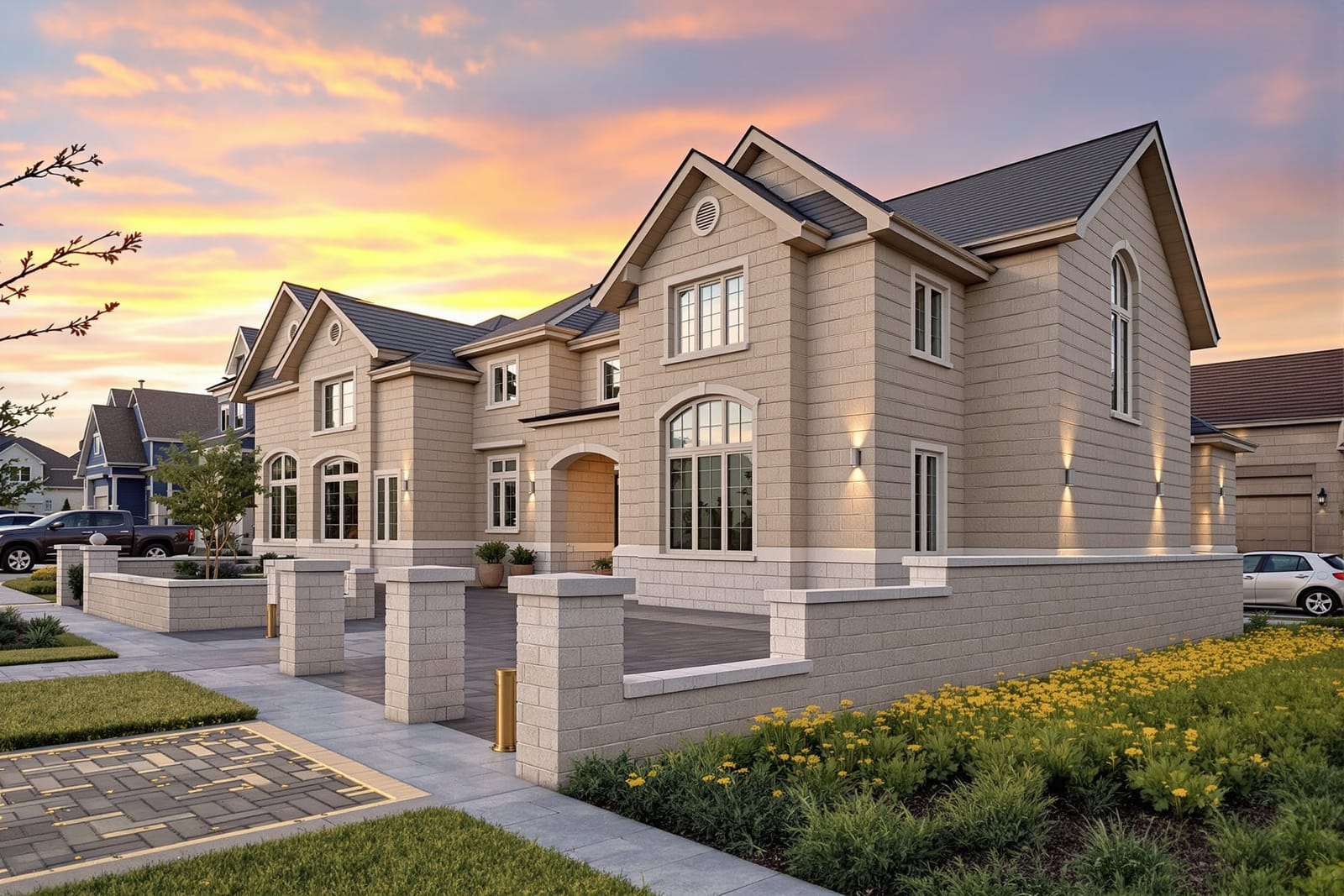
Home › Structural Masonry and Block Walls
Reliable, professional structural masonry in St Petersburg, FL from St. Petersburg Masonry. Contact us today for a free on-site estimate.
St. Petersburg Masonry provides professional structural masonry throughout St Petersburg, FL, Florida and the surrounding area. Our licensed, insured crew delivers safe, clean, on-time work with a free estimate before anything begins. Call (727) 610-8068 or request your free quote.
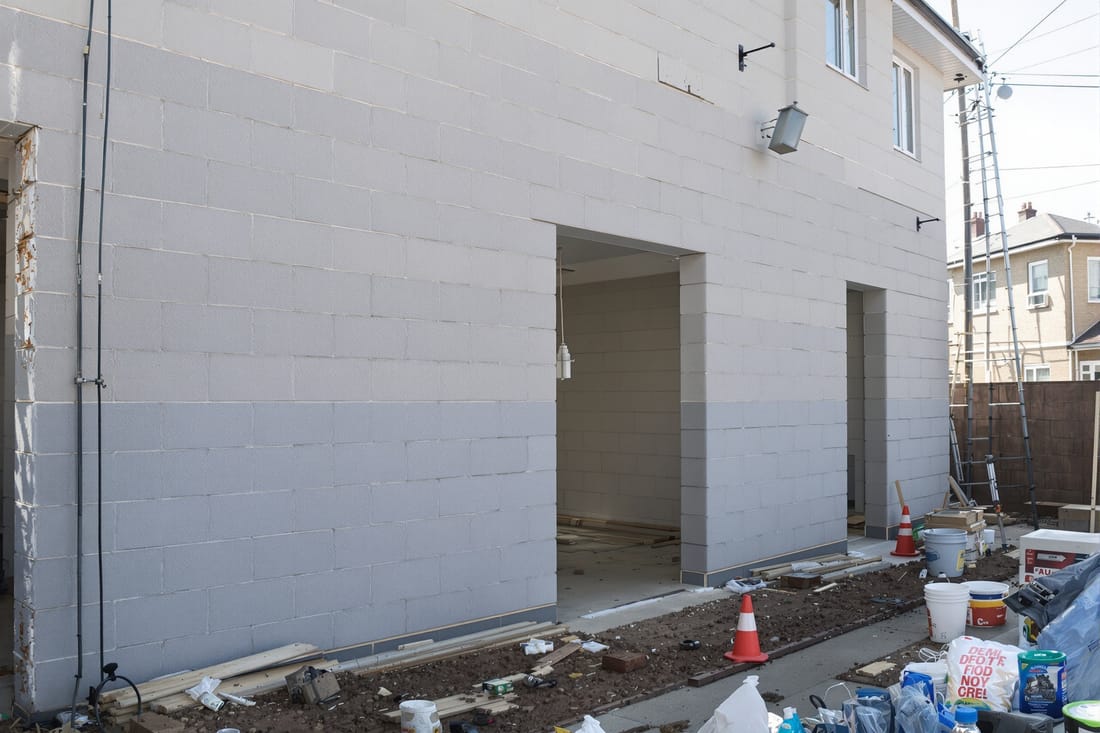
Structural Masonry Built for St. Petersburg Conditions
Structural masonry is not just about stacking blocks. For homes and commercial buildings in St. Petersburg, it is the system that carries roof loads, resists wind and hurricane pressures, and keeps moisture out of your living space. St. Petersburg Masonry focuses specifically on load‑bearing concrete block walls that meet or exceed Florida Building Code requirements for our coastal wind zone.
In our area, most structural walls are built from concrete masonry units (CMU) tied together with vertical and horizontal steel reinforcement, then filled with grout in specific cells. We design and construct these walls so they work with your slab, tie beam, and roof system as one continuous structure. That is what keeps a block home or addition solid when summer storms roll through Tampa Bay.
Whether you need new structural walls for a custom home, an addition, a garage, or reinforcement of an existing building, we start by confirming that structural masonry is the right solution. In many St. Petersburg projects, block walls provide a better long‑term value than wood because they handle humidity, termites, and wind better when properly detailed.
How We Build Structural Block Walls Step by Step
St. Petersburg Masonry follows a precise sequence for structural masonry work so you know exactly what is happening on your property.
First, we review your engineered drawings and, if needed, help you coordinate with a local structural engineer. We confirm block sizes, reinforcement schedules, lintel details, and any special features such as tie beams or shear walls. For remodels, we inspect existing foundations and walls to verify that the new work can safely connect to the old.
Next, we layout wall locations on the slab or footer with string lines and laser levels. This step is critical in St. Petersburg neighborhoods where lot lines are tight. We verify setbacks and ensure that door and window openings line up with your plans and mechanical layouts.
We then set the first course of block in high‑strength mortar, adjusting every block for level and alignment. The first course determines the accuracy of the entire wall, so we spend extra time here. Once the base is perfect, we stack additional courses, place vertical rebar into designated cells, and install horizontal reinforcement (such as bond beams) at the levels shown on your drawings.
After the block is in place, we grout structural cells with a pump or by hand, depending on access and wall height. This bonds the steel to the masonry and turns individual blocks into a single structural element. Openings receive poured‑in‑place or precast concrete lintels sized for specific spans and loads. Finally, we tie the wall into the top bond beam or roof system using approved connectors and hurricane straps so uplift forces are transferred properly into the wall.
Material Options and Design Choices for Block Walls
Most structural masonry in St. Petersburg uses 8 inch CMU, but there are several real choices that affect performance and cost. St. Petersburg Masonry walks you through these options so you are not just picking from a catalog.
Block size and density: Standard 8x8x16 block is the most common for exterior structural walls, but in tight interior spaces we sometimes use 6 inch block where engineering permits. Higher density block can improve sound control and impact resistance, which can be important along busy streets and near schools.
Reinforcement layout: The spacing of vertical steel (for example, every cell, every 16 inches, or every 32 inches) and horizontal reinforcement affects both strength and budget. Wind‑exposure category, building height, and opening sizes all drive that layout. Coastal exposure along Boca Ciega Bay or Tampa Bay typically requires more reinforcement than a sheltered inland lot.
Thermal and moisture performance: You can leave structural block bare and apply stucco, or you can add exterior insulation and finishes for better comfort and energy efficiency. On the interior, we can furr out the wall with metal or wood studs to run electrical and insulation without compromising structural cells. We also pay close attention to weep screeds, control joints, and sealants to control cracking and moisture migration in our humid climate.
Finish options: Structural walls do not have to look plain. We can use decorative split‑face block in non‑critical locations, add bands or recesses that do not interfere with structural cells, and coordinate stucco textures and paint colors to match existing buildings.
Costs, Permits, and What Really Drives the Budget
For structural masonry and block walls in St. Petersburg, price per square foot is only a rough guide. St. Petersburg Masonry explains the components that actually drive the total cost so you can make informed trade‑offs.
Engineering and permitting: In Pinellas County, almost all structural masonry requires sealed engineering and a building permit. Engineering complexity, wind exposure, and whether the project is new construction or a retrofit all influence front‑end costs. We coordinate with local engineers who understand the City of St. Petersburg permit office and common review comments.
Site conditions: Access for material delivery, staging area, and whether we are working on a clear lot or inside a tight backyard all affect labor time. For example, carrying block by hand through a narrow side yard or working around a pool increases labor compared to a wide open lot.
Structural specifics: Taller walls, large window and door openings, higher wind design criteria, and special details like shear walls or pilasters add steel and grout, which increases both material and labor costs. A simple 8 foot garage wall will be less costly per square foot than a 2 story gable wall with big openings.
Schedule and season: Our busiest periods are late winter through early summer, when many homeowners start additions before hurricane season. Booking early can lock in better schedule options. In the peak of summer, heat and afternoon storms can extend timelines slightly, so we plan work hours to pour grout in the cooler morning window and avoid sudden downpours that could affect fresh grout and mortar.
Common Structural Masonry Problems We Prevent and Repair
In St. Petersburg, older block structures and improperly built walls often show the same issues: stair‑step cracks at corners of openings, horizontal cracks at mid‑height, rust bleeding from old rebar, and moisture intrusion at window heads. St. Petersburg Masonry is frequently called to diagnose whether these are cosmetic or structural concerns.
Some minor hairline cracking is normal in block and stucco, but wider, continuous cracks aligned with reinforcement patterns may signal movement or corrosion. We inspect the wall, look at drainage around the foundation, and sometimes remove small sections of stucco to see the underlying block and steel.
When we repair, the solution may involve more than patching. We may need to open cells, clean or replace corroded rebar, and re‑grout sections so the wall regains its structural continuity. For moisture issues, we identify entry points, such as poorly detailed window flashings or missing control joints, then rebuild or seal those details as needed.
On new work, we prevent many of these problems through proper joint placement, clean rebar installation, correct grout mix and consolidation, and by protecting fresh masonry from heavy rain and rapid drying. We also advise owners to avoid cutting structural block cells for retrofits like window changes or new openings without structural review, since that is a common cause of long‑term issues.
Local Timing, Weather, and Inspection Realities in St. Petersburg
Our coastal climate directly influences how structural masonry projects are planned and executed. St. Petersburg Masonry schedules key stages of work with local weather patterns and inspection schedules in mind.
From November through April, we see fewer afternoon thunderstorms, which makes this an efficient window for larger block projects. During the summer, we adjust start times so that block laying and grout pours happen earlier in the day, reducing heat stress on crews and ensuring mortar and grout have time to set before the regular afternoon showers.
City and county inspections are required at specific stages: foundation or slab, block with steel in place before grout, and sometimes a separate tie beam inspection. We coordinate these inspections so they do not stall your schedule. Because we work frequently in St. Petersburg, we are familiar with common inspector expectations regarding lap lengths of rebar, consolidation of grout, and anchor placement, which helps avoid re‑inspection delays.
Hurricane season also affects decisions about temporary bracing for partially completed walls and timelines for getting roofs tied in. We avoid leaving tall unbraced walls standing without the roof diaphragm, especially if a storm system is forecast, and we make sure materials are secured so debris does not become a hazard in high winds.
Why Homeowners and Builders Choose St. Petersburg Masonry
Structural masonry is not forgiving of shortcuts. The steel you cannot see inside a block wall is just as important as the stucco finish you can. St. Petersburg Masonry focuses on this kind of work every day, which is why local builders and homeowners trust us with load‑bearing walls and structural repairs.
For homeowners, we explain engineering notes and inspection comments in plain language, so you understand exactly what is supporting your home or addition. For general contractors and architects, we keep communication tight, flag constructability issues early, and maintain clean job sites in close St. Pete neighborhoods where neighbors are right over the fence.
We work across St. Petersburg, from masonry homes in Old Northeast and Shore Acres to commercial block buildings along 4th Street and Central Avenue. Our crews are accustomed to tight urban lots, alley access, and renovations on occupied buildings.
If you are planning an addition, a new masonry home, a structural block garage, or need an evaluation of an existing block wall, we can review your plans, walk the site, and provide a clear scope and estimate. That way you know, before any block is set, how your structural masonry will be built and what it will take to pass inspections and perform over time in our coastal Florida climate.