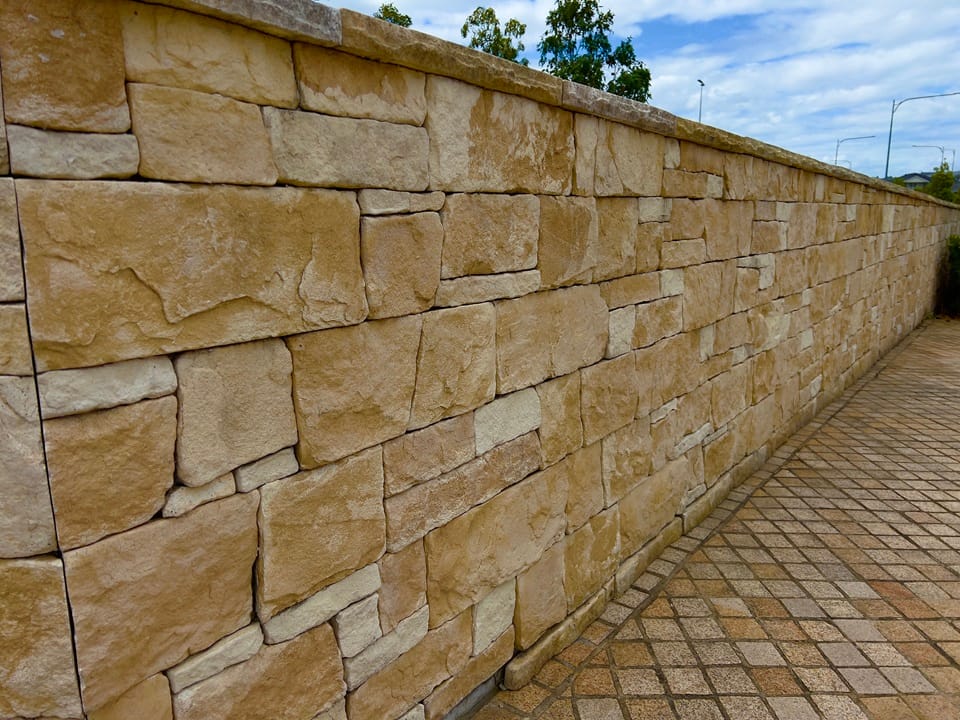
Reliable, professional stone masonry in St Petersburg, FL from St. Petersburg Masonry. Contact us today for a free on-site estimate.
St. Petersburg Masonry provides professional stone masonry throughout St Petersburg, FL, Florida and the surrounding area. Our licensed, insured crew delivers safe, clean, on-time work with a free estimate before anything begins. Call (727) 610-8068 or request your free quote.
Stone masonry services tailored to St. Petersburg homes and businesses
Stone masonry behaves differently in St. Petersburg, FL than it does in cooler, drier climates, so the way we build here has to be adjusted for heat, humidity, and sudden storms. At St. Petersburg Masonry, our stone work is planned around local conditions, from the type of base we pour on our sandy soils to the mortars we select that can tolerate salt air and thermal expansion.
Most projects begin with a site evaluation. We check drainage patterns after heavy rain, existing settlement cracks in nearby concrete, and proximity to irrigation heads that might constantly wet stone surfaces. This helps us decide how deep to go with the foundation for patios and walls, whether we need a thicker compacted base, and what type of stone will hold up best in your exact location.
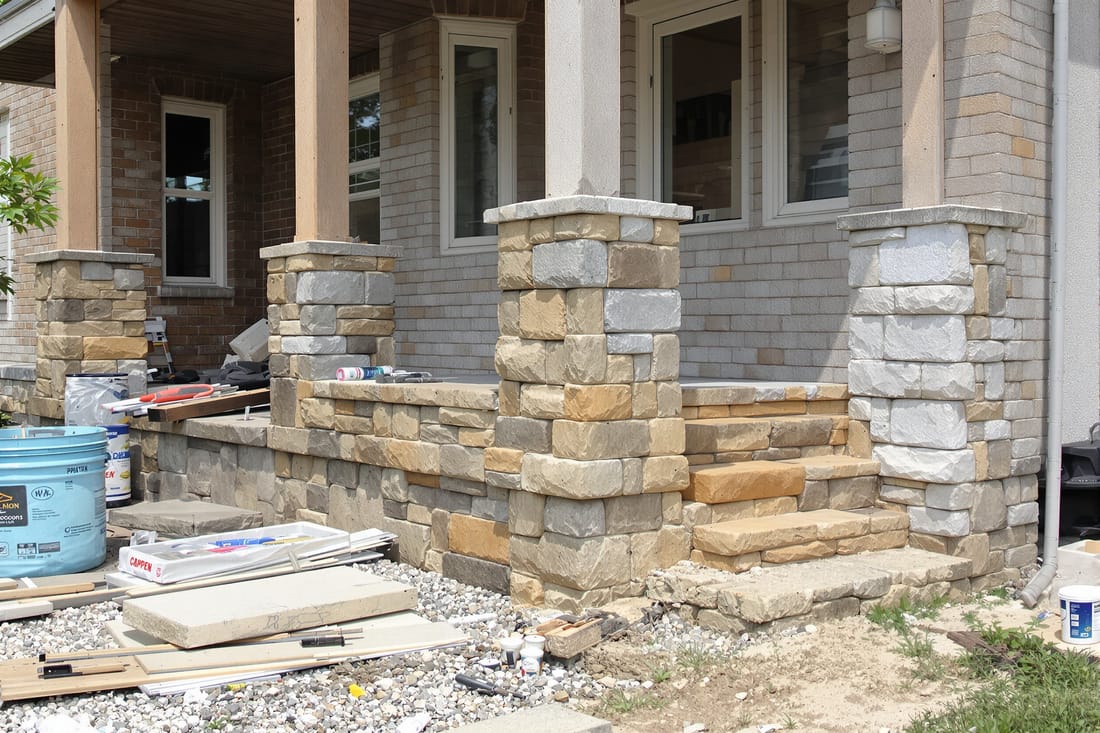
We install stone using both full-bed and veneer methods depending on the project. Full-bed stone, often used for structural walls, sits on a concrete footing and is laid in a thicker mortar bed. Veneer stone, which is common on entry columns, chimneys, and house facades in St. Petersburg neighborhoods, is fixed over a prepared substrate with thinset and mechanical ties where required. Each approach has specific prep work, and we will explain why we choose one over the other for your job.
Types of stone and design options that work in Florida’s climate
Durability in our climate guides every material choice St. Petersburg Masonry makes. Natural limestone and coquina are popular along the Gulf Coast but must be sealed and detailed correctly because they are more porous. Dense granites, some quartzites, and high-quality manufactured stone veneer hold color better under intense UV exposure and resist salt spray if you are closer to the water.
For patios and pool decks, we often recommend textured stones such as tumbled travertine or flamed granite. These stay cooler underfoot than many concrete pavers and provide slip resistance, which is important when afternoon storms leave surfaces wet. Around saltwater pools, we avoid stones that pit or soften in salt conditions and choose materials that can be cleaned without harsh chemicals.
On vertical surfaces, such as front entry columns and accent walls, we balance thickness and weight. Many St. Petersburg homes have block or wood-framed walls, so we evaluate whether a full stone wythe is feasible or if a lighter veneer system anchored with metal ties and a drainage plane is better. We plan course patterns (ashlar, random, ledgestone, or blocky cuts) so they align with doors, windows, and trim, which prevents awkward sliver cuts and helps the finished stonework look intentional with your architecture.
How we actually build a stone masonry project from start to finish
Every stone masonry job at St. Petersburg Masonry follows a structured process so you get predictable results and know what is happening at each step.
1. Site prep and layout: We strip turf or old hardscape, then set layout lines with string and stakes so you can visually confirm the footprint of walls, walkways, or patios. For structural work, we confirm setbacks and any HOA or permitting requirements in St. Petersburg or Pinellas County.
2. Base and footing work: On our sandy soils, a strong base matters. For patios and flatwork we typically excavate 6 to 8 inches, compact limerock in layers with a plate compactor, then screed bedding sand or mortar depending on the stone type. For load-bearing stone walls, we dig to the specified depth, pour reinforced concrete footings, then allow proper cure time before stone goes up so settlement is minimized.
3. Moisture and substrate preparation: For veneer over block or framed walls, we install a moisture barrier, metal lath where needed, and a scratch coat of mortar. This creates a stable bonding surface. On pool decks and entries, we account for slope so water drains away from structures instead of toward them.
4. Stone setting: We lay out stones on the ground first to balance color and size. Our masons then set each piece in mortar or thinset, buttering the backs and filling joints as they go. We avoid tight joints in areas prone to movement and use slightly wider, fully filled joints where some expansion is expected.
5. Jointing and finishing: Once the mortar reaches the right firmness, joints are tooled to the agreed profile (raked, flush, or slightly concave). Excess mortar is cleaned from faces before it fully hardens. If specified, we apply breathable sealers suited for Florida conditions after the masonry cures, not immediately, to allow moisture to escape.
6. Final inspection and care guidance: We walk the project with you, check for consistent joints and secure stones, then provide written care recommendations that match your specific stone type and exposure.
What drives the cost of stone masonry in St. Petersburg
Stone masonry pricing can vary widely, and we explain costs in detail so there are no surprises. At St. Petersburg Masonry, we base estimates on several factors that impact labor and materials in our area.
Stone type and thickness have a major effect. Full-bed natural stone typically costs more than manufactured veneer because it is heavier to handle and needs deeper footings. Imported stones with specific colors or finishes can increase both material price and lead time. If your project is near the waterfront or in a high-wind exposure zone, we may specify additional reinforcement that slightly raises structural costs but protects against storm damage.
Site conditions matter as well. Tight access behind older homes in St. Petersburg neighborhoods, tree root systems, or the need for demolition of old concrete or brick all impact labor hours. Poor drainage identified during our site evaluation sometimes requires extra base depth, French drains, or regrading. These improvements add upfront cost but significantly extend the life of the stonework.
Detail level is another driver. Intricate patterns, curved walls, or custom stone cuts around outdoor kitchens and fire features require more layout time and skilled handwork. We show you side by side pricing options, for example a straightforward ashlar pattern patio versus a multi-band design with accent stones, so you can decide where design upgrades make sense for your budget.
Finally, we discuss optional sealing and long-term maintenance as part of the proposal, instead of surprising you later. Some stones need periodic resealing in our climate to prevent staining from leaves, irrigation, or rust. We can include a maintenance plan with scheduled inspections, which spreads costs over time and keeps the stone looking new.
Preventing and solving common stone masonry problems in our climate
Florida’s weather creates predictable challenges for stone masonry, and St. Petersburg Masonry structures projects to avoid them from the start. One of the most common issues is loose or flaking mortar joints due to constant wetting and drying. We handle this by choosing mortar mixes compatible with your stone, controlling joint profiles so water sheds, and using proper cure times instead of rushing during humid spells.
Another frequent problem is settling or uneven surfaces on patios and walkways. This usually ties back to inadequate base preparation or poor compaction on sandy soils. Our crews compact in multiple passes, test with a plate compactor, and avoid working over saturated subgrade after heavy rains. If you already have a sunken area, we can lift or rebuild sections, correct drainage, and reset the stone instead of pushing a quick patch.
In coastal and near-coastal locations, salt and airborne moisture can cause staining or efflorescence (white mineral deposits). We design wall systems with drainage cavities and weep paths so moisture can exit, and we apply breathable sealers on vulnerable stones. If efflorescence appears, we use appropriate cleaners and adjust water management around the area instead of simply washing and hoping it does not return.
We also watch out for thermal movement. Dark stones in full sun can expand significantly. On large expanses, such as pool decks and long walkways, we incorporate control joints and detail transitions at house walls, screen enclosures, or coping. This helps prevent random cracking and keeps everything tight against adjacent finishes.
Stone masonry for patios, entries, outdoor kitchens, and more
Because stone is so versatile, St. Petersburg Masonry uses it across many parts of your property, but each application has its own technical needs.
For patios and outdoor living areas, we design for everyday use and storm events. We evaluate how furniture will sit, where standing water might collect, and how your family moves through the space. Around outdoor kitchens and grills, we use stones and mortars that tolerate heat cycles and are easy to clean from grease and smoke. Countertops may use one stone type while vertical faces use another that is better suited to impacts and weather.
Front entries and walkways are about first impressions, but also safety and accessibility. We watch riser heights and tread depths on any stone steps so they comply with code and feel natural underfoot. We often integrate stone landings with existing concrete driveways, tying the two with a precise transition joint so future settling does not create trip hazards.
Retaining and garden walls in St. Petersburg backyards often serve both structural and decorative roles. In low-lying areas, we design walls that manage soil and water together, which may involve drainage behind the wall and a stone facing that allows for controlled weep points. For freestanding seat walls around patios and fire features, we ensure the wall height, cap type, and joint width work nicely with seating comfort, not just appearance.
What to ask before you hire a stone mason in St. Petersburg
Stone masonry is difficult and expensive to redo, so it pays to ask specific questions up front. St. Petersburg Masonry encourages homeowners to request details rather than just a square foot price.
Ask any contractor what base materials they plan to use, how thick the base will be, and how they will compact it. Vague answers like "we will put some sand down" are a red flag. Request the exact stone type and supplier so you can verify suitability for outdoor use in Florida. For veneer projects, ask how the stone will be mechanically anchored and what moisture barrier system will go behind it.
Check that your mason understands local permitting and inspection requirements, especially for structural walls, stairs, and work that ties into a pool or building. A contractor who regularly works in St. Petersburg will know when engineering or permit drawings are necessary and will be able to explain the process.
Finally, request photos of recent stone masonry jobs in the St. Petersburg area that are at least one or two years old. Fresh work usually looks good; older installations show whether the mason handled drainage, movement, and weather correctly. We are happy to walk you through finished St. Petersburg Masonry projects and explain what was done on each one, so you can see the difference between basic stonework and stone masonry that is designed to last in our specific climate.