Home › Commercial Brick Veneer Systems
Reliable, professional commercial brick veneer in St Petersburg, FL from St. Petersburg Masonry. Contact us today for a free on-site estimate.
St. Petersburg Masonry provides professional commercial brick veneer throughout St Petersburg, FL, Florida and the surrounding area. Our licensed, insured crew delivers safe, clean, on-time work with a free estimate before anything begins. Call (727) 610-8068 or request your free quote.
Commercial Brick Veneer Systems for St. Petersburg Businesses
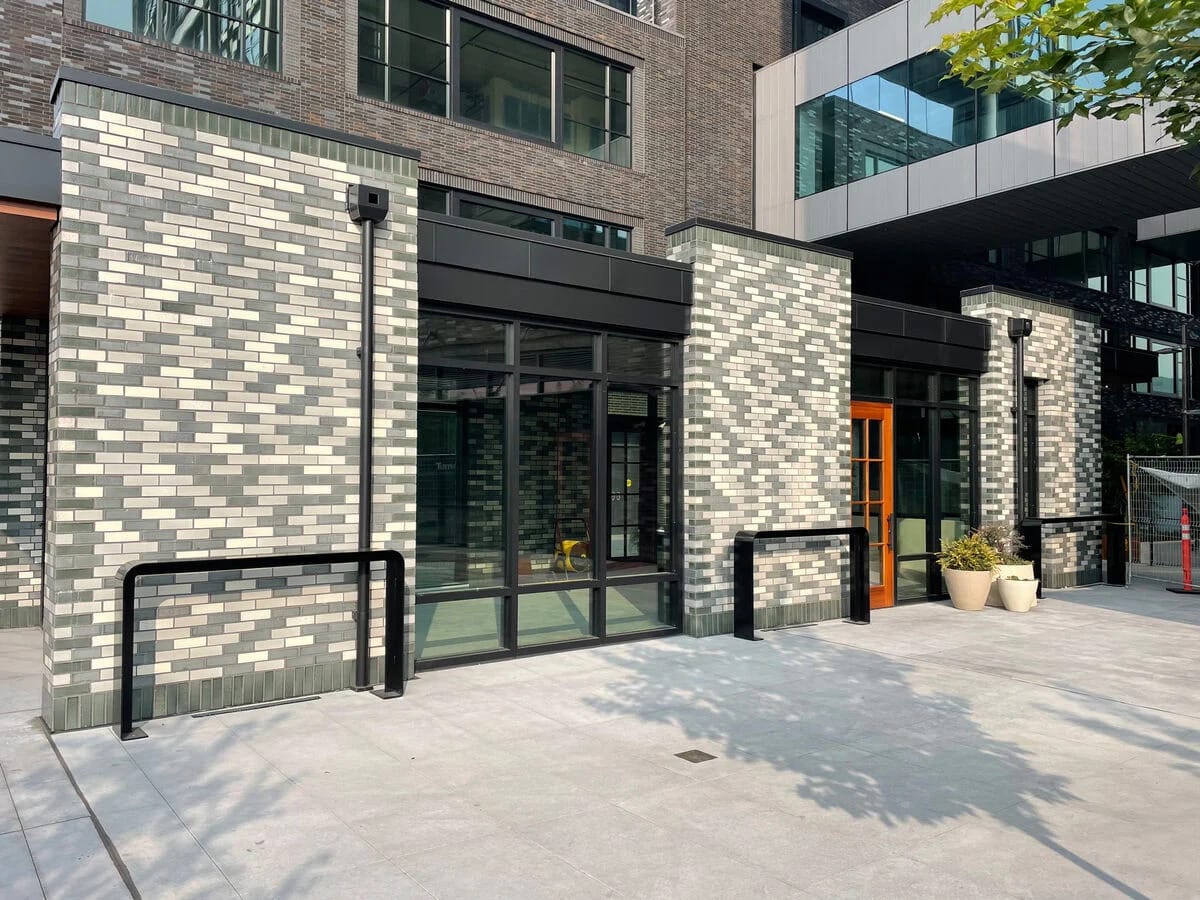
Commercial brick veneer gives St. Petersburg buildings the look and durability of masonry without the weight and cost of full brick walls. At St. Petersburg Masonry, we build veneers that hold up to coastal weather, intense sun, and heavy daily use in retail, hospitality, medical, and office settings.
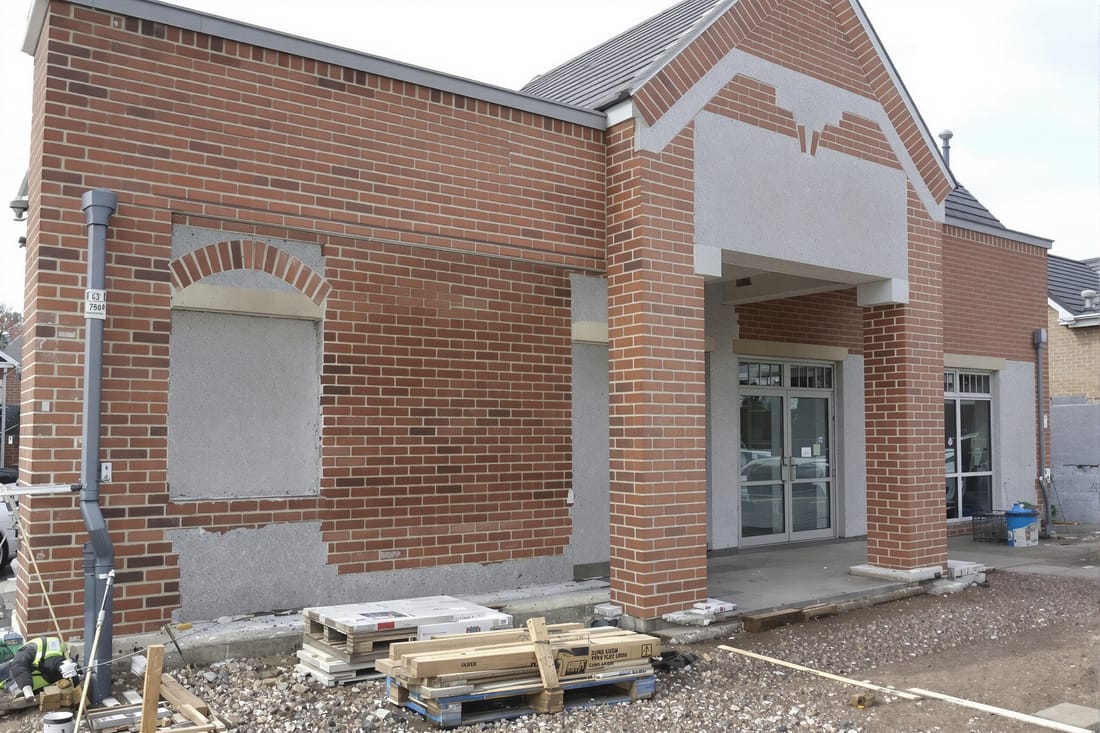
A commercial brick veneer is not just a thin layer of brick glued to a wall. It is a engineered cladding system that includes a structural backup wall (usually concrete block, tilt‑wall concrete, or metal studs with exterior sheathing), a weather barrier, anchors or ties, an air gap, weeps, flashing, and the brick units themselves. When these are detailed and installed correctly, the veneer sheds rain, handles wind loads off Tampa Bay, and still lets the wall dry out.
Most local clients call us when they want to upgrade an older stucco or painted block façade, tie a new addition into an existing brick look, or meet a specific design intent from their architect. We also work directly with owners who do not have drawings yet and need help deciding whether a traditional anchored veneer or a modern thin brick panel system fits their budget, schedule, and building type.
How We Design and Build Your Commercial Brick Veneer
A typical commercial brick veneer project with St. Petersburg Masonry starts with a site visit. We inspect the existing structure, look for moisture problems or cracks in the block or concrete, verify how the wall is framed, and check for any corrosion or spalling that must be corrected before adding weight. On new construction, we review structural plans and architectural details so that our veneer ties, control joints, and relief angles line up with the design.
Once we understand the wall conditions, we help you pick the veneer system. For low and mid‑rise block buildings, we usually recommend a traditional anchored veneer with a minimum 1 inch air space, continuous flashing at base and openings, and stainless or hot‑dip galvanized adjustable anchors. For metal stud walls on higher wind exposure sites near the water, we look at engineered thin brick panel systems or heavier gauge stud framing with closer anchor spacing, so the veneer can meet Florida Building Code wind requirements.
During installation, our crew sequences the work so the backup wall and waterproofing are never left exposed. First, we verify that structural backing is sound and properly fastened. Next, we install the weather barrier and any rigid insulation, making sure penetrations are sealed and compatible with sealants. Then we set brick ledgers or relief angles at floor lines where required, check them for level and embedment, and only then start laying brick from those supports. We install weep vents and flashing as we go, not at the end, so water has a continuous path out of the wall.
Material Choices That Work in St. Petersburg’s Climate
St. Petersburg’s salt air, humidity, and intense UV are hard on poor quality masonry work. That is why material selection is a big part of how we design commercial brick veneer systems. For the brick itself, we typically recommend clay brick rated for severe weathering. On waterfront or highly exposed sites, we look at lower absorption brick and avoid overly porous reclaimed units unless testing confirms they are suitable.
Mortar selection matters as much as the brick. For most commercial veneers here, we use Type S or modified Type N mortar that balances bond strength with flexibility. In very exposed conditions, we may adjust the sand gradation and cement content to tighten the mix, then pay close attention to tooling so joints shed water. For thin brick veneers, we use manufacturer‑approved setting beds and grouts that have been tested to handle thermal movement and moisture.
Anchors and accessories are where many veneer failures start. In this coastal environment we avoid cheap uncoated ties. St. Petersburg Masonry uses stainless steel or hot‑dip galvanized veneer anchors, stainless screws, and non‑staining, flexible sealants at movement joints and window perimeters. For flashing, we prefer robust membranes or stainless steel with proper end dams, not simple metal drip that lets water run behind the brick. All of this is chosen with local conditions in mind so your veneer holds up for decades instead of just looking good for the first few years.
Cost Drivers, Timelines, and What Affects Your Budget
The cost of a commercial brick veneer in St. Petersburg depends on more than just square footage. The biggest drivers are the type of system (anchored full brick versus thin brick panels), the condition and type of backup wall, the need for structural steel support, and detailing complexity around openings, corners, and parapets.
For a straightforward one or two story concrete block building with good access, anchored full brick veneer is often the most cost‑effective. Costs rise when we need to add or modify steel lintels, install many small relief angles, or work around a lot of storefront glass and irregular geometry. Existing buildings that have damaged stucco, out‑of‑plumb walls, or concealed moisture issues can require extra preparation such as patching, re‑anchoring block, or adding new sheathing, which affects both cost and schedule.
Thin brick panel systems can shorten overall project timelines, especially when interior work needs to proceed while cladding is installed, but the panels themselves and the engineered rails or backup structures typically add material cost. They are often the right choice for tight urban sites, limited foundation capacity, or projects that must stay open during construction, such as retail strips and restaurants on busy corridors like 4th Street or Central Avenue.
St. Petersburg Masonry provides clear line‑item estimates that separate labor, materials, scaffold or lift equipment, and any structural steel or repair work. We also factor in permit requirements and inspection fees based on Pinellas County and City of St. Petersburg processes, so you are not surprised late in the project.
Common Local Issues and How St. Petersburg Masonry Addresses Them
In this area we often see commercial brick veneers that suffer from trapped moisture, bulging or cracking, and rust‑stained joints. Most of these problems trace back to missing flashings, blocked weeps, or anchors that were installed incorrectly or with the wrong metal. When we take on a retrofit or repair, we start by opening small exploratory sections to confirm how the veneer was actually built, then develop a repair plan that may include adding new weeps, replacing rusted anchors, and installing new flashing in targeted areas without tearing off the entire façade.
Wind and thermal movement are the other big issues along the Gulf Coast. Long, unbroken brick walls with no vertical or horizontal movement joints tend to crack at windows or corners. Our designs always include control joints at calculated spacing, typically 20 to 25 feet depending on wall height, color, and exposure, and soft joints at structural transitions. Where the design intent is a very uniform look, we coordinate joint locations with the architect so they blend into the pattern instead of looking like afterthoughts.
For owners and facility managers, the key to long life from a commercial brick veneer is simple: keep the water management details working. During our close‑out, St. Petersburg Masonry explains what should be inspected over time, such as sealant at joints and around windows, signs of efflorescence, and any mortar cracking that might let water in. We offer maintenance and inspection programs for retail centers, schools, and medical offices in St. Petersburg so you can catch small issues before they turn into structural or interior damage.